

In Vietnam’s fast-growing construction market, the demand for reliable Ceiling Grid Systems continues to rise across
residential, commercial, institutional, and industrial projects. A Ceiling Grid Supplier Vietnam
serves an important role in providing the structural framework that supports suspended ceilings, acoustic panels,
gypsum boards, mineral fiber tiles, and other finishing materials used in modern interiors. For local construction
projects, choosing the right ceiling grid solution is not only a matter of material availability, but also a key
decision that affects installation speed, durability, fire performance, visual quality, and long-term maintenance.
This guide provides an SEO-friendly, industry-focused overview of ceiling grid supplier Vietnam
topics for contractors, project owners, architects, interior designers, distributors, procurement teams, and
builders. It covers definitions, system types, benefits, technical specifications, application areas, purchasing
considerations, and common product characteristics used in Vietnam construction projects. The content is designed
for direct use on blog pages, category pages, directory pages, and industry landing pages.
A ceiling grid system is a suspended framework installed beneath the structural slab or roof to support ceiling
tiles, boards, and decorative finishes. It creates a level and stable ceiling plane while concealing electrical
wiring, HVAC ducts, plumbing lines, fire protection systems, and other services above the ceiling. In many modern
buildings, ceiling grid systems are essential for both functional performance and visual consistency.
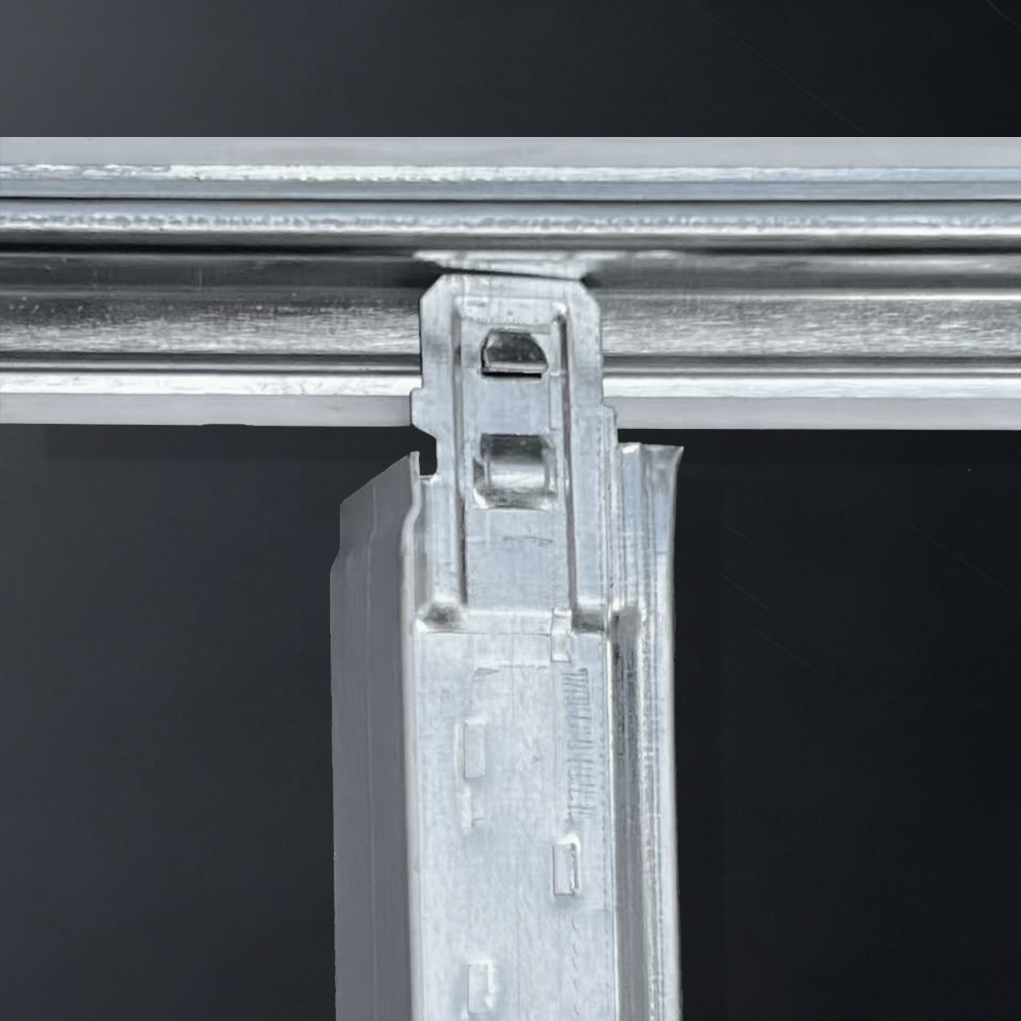
In simple terms, a ceiling grid is the metal support structure that holds ceiling panels in place. A complete system
often includes Main Tees, Cross Tees, Wall Angles, Suspension Wires, hangers, clips, and accessories. Depending on
the project, the ceiling grid may be visible, concealed, semi-concealed, corrosion-resistant, fire-rated, or
acoustically optimized.
In Vietnam, ceiling grid products are widely used in offices, shopping centers, schools, hospitals, hotels, airports,
apartments, factories, and public buildings. As construction standards improve, project teams increasingly look for
stable supply, consistent quality, and systems that meet international and local performance expectations.
The role of a ceiling grid supplier Vietnam is especially important in local construction projects
because the market often requires practical balance between price, delivery speed, installation efficiency, and
material reliability. Ceiling systems may appear simple, but poor-quality grid components can cause alignment
problems, sagging, visible distortion, difficult maintenance, and reduced ceiling lifespan.
Reliable ceiling grid supply helps contractors and developers achieve:
For large-scale projects, even small variations in metal thickness, coating quality, or dimensional accuracy can
affect the final ceiling finish. This is why many procurement teams evaluate ceiling grid systems carefully before
selecting materials for local construction work.
A ceiling grid supplier Vietnam may provide different system types depending on building design, ceiling material,
and performance requirements. The most common categories are described below.
| Ceiling Grid Type | Typical Use | Main Features |
|---|---|---|
| Exposed T-grid system | Offices, retail stores, schools, hospitals | Visible grid lines, fast installation, easy access to services above ceiling |
| Concealed grid system | Hotels, premium interiors, feature ceilings | Hidden support structure, cleaner visual appearance, more decorative finish |
| Semi-concealed system | Commercial interiors and mixed-design spaces | Balanced visual effect, partial visibility, flexible installation options |
| Heavy-duty grid system | Large panels, high-traffic areas, industrial spaces | Higher load capacity, stronger sections, improved structural support |
| Corrosion-resistant grid | Coastal areas, humid zones, kitchens, bathrooms | Protective coating, longer service life in moisture-prone conditions |
| Fire-performance grid | Hospitals, commercial buildings, public facilities | Designed to work with fire-rated ceiling assemblies and compliant materials |
The quality of a ceiling grid depends heavily on the base material and the surface protection used in production.
Most ceiling grid products supplied for Vietnamese construction projects are made from galvanized steel, hot-dip
galvanized steel, aluminum, or other coated metal profiles. Each material offers different advantages in terms of
strength, corrosion resistance, weight, and price.
| Material | Advantages | Common Applications |
|---|---|---|
| Galvanized steel | Good strength, stable pricing, suitable for most indoor uses | Offices, schools, residential projects, retail areas |
| Hot-dip galvanized steel | Stronger corrosion resistance, suitable for humid environments | Bathrooms, kitchens, coastal buildings, service areas |
| Aluminum | Lightweight, corrosion-resistant, easy to handle | Premium interiors, decorative systems, moisture-exposed spaces |
| Steel with protective coating | Enhanced durability and surface protection | Commercial and institutional suspended ceilings |
For local construction projects in Vietnam, material selection should consider humidity, indoor air conditions,
maintenance access, structural load, and ceiling type. In many cases, galvanized steel remains a practical and
cost-effective choice for general applications, while stronger anti-corrosion solutions are preferred for more
demanding environments.
When sourcing materials from a ceiling grid supplier Vietnam, construction teams can benefit from local market
knowledge, shorter delivery times, and better alignment with project needs. The following advantages are especially
important for contractors and developers.
Local supply helps reduce transport time and supports tighter construction schedules. For projects in Hanoi, Ho Chi
Minh City, Da Nang, Hai Phong, Can Tho, and surrounding provinces, reliable supply chains can improve workflow and
reduce delays caused by material shortages.
Local sourcing may reduce freight expenses, import-related delays, and inventory pressure. A ceiling grid supplier
Vietnam can often support projects with competitive pricing for standard grid sizes and widely used ceiling
components.
Different ceiling panels require different grid specifications. Local suppliers often understand common Vietnam
construction practices and can recommend compatible profiles, accessories, and suspension layouts for project
requirements.
Ceiling grids are designed to allow easy removal or replacement of tiles and access to building services above the
ceiling. This makes maintenance simpler for facility managers and building owners.
Ceiling grid systems can be used in nearly all building categories. Their versatility makes them one of the most
widely specified ceiling support solutions in modern interior construction.
Local suppliers often provide product information, specification guidance, and system compatibility data that help
contractors complete installation more efficiently and accurately.
Ceiling grid systems supplied in Vietnam are used across a wide range of projects. Their performance and flexibility
make them suitable for both functional and decorative interior environments.
| Project Type | Ceiling Grid Use | Key Requirement |
|---|---|---|
| Residential apartments | Suspended ceilings in living rooms, bedrooms, corridors | Clean finish, easy installation, cost control |
| Office buildings | Modular Ceiling Systems in work areas and meeting rooms | Access to services, acoustics, professional appearance |
| Hotels and resorts | Decorative and concealed ceiling structures | Visual quality, moisture resistance, premium finish |
| Shopping malls | Large-area Suspended Ceiling Frameworks | Load stability, service access, fast maintenance |
| Schools and universities | Standard grid ceilings in classrooms and halls | Durability, easy repair, economical installation |
| Hospitals and clinics | Cleanable and accessible ceiling systems | Hygiene, fire performance, service access |
| Factories and warehouses | Industrial ceiling support systems in selected areas | Strength, environmental durability, simple maintenance |
While product specifications can vary by supplier and project, most ceiling grid systems share a number of standard
technical characteristics. These details are important for architects, engineers, and procurement teams evaluating
ceiling grid supplier Vietnam options.
| Specification Item | Common Range / Description |
|---|---|
| Material thickness | Commonly produced in light-gauge to medium-gauge metal sections depending on system type |
| Main tee length | Typically supplied in standard modular lengths for suspended ceiling layouts |
| Cross tee length | Available in multiple modular sizes for 600 x 600 mm or 600 x 1200 mm ceiling systems |
| Surface finish | Galvanized, powder-coated, painted, or protective anti-corrosion finish |
| Load capacity | Varies by profile depth, metal thickness, and system design |
| Color | Commonly white, silver, gray, or custom finish depending on application |
| Edge profile | Suitable for standard lay-in panels, concealed panels, or clip-in ceiling tiles |
| Corrosion protection | Recommended for humid, coastal, or high-exposure environments |
| Compliance targets | May align with local project requirements and international ceiling system standards |
The following table provides a general reference for commonly used ceiling grid dimensions in construction projects.
Actual dimensions may vary by system design, manufacturer, and project specification.
| Component | Common Dimension Reference | Function |
|---|---|---|
| Main tee | Standard modular lengths for suspended grid framework | Primary load-bearing horizontal member |
| Cross tee | Short and long modular connectors | Creates ceiling tile opening and structural spacing |
| Wall angle | L-shaped perimeter profile | Supports edges around the room perimeter |
| Suspension wire | Wire length adjusted to ceiling height | Hangs the grid from the structural slab |
| Hanger clip | Compatible with wire and main tee profile | Connects suspension system to the grid |
| Ceiling tile module | 600 x 600 mm / 600 x 1200 mm commonly used | Standard panel format for modular ceiling systems |
Selecting the right ceiling grid supplier Vietnam requires more than comparing price alone. For local construction
projects, the following factors should be carefully reviewed before placing an order.
Consistent thickness, coating, profile accuracy, and joint fit are critical for smooth installation. Uneven products
can create visible ceiling irregularities and increase labor time.
Construction schedules depend on timely material arrival. Reliable supply helps avoid downtime and keeps installation
teams working without interruption.
Ceiling grids must match the selected panels, tiles, boards, and accessories. Compatibility affects both appearance
and performance.
Buildings in humid or coastal zones require better corrosion protection. Indoor conditions, ventilation levels, and
maintenance expectations should guide material selection.
Well-designed grid systems can reduce labor time and simplify alignment. This is especially important in large
commercial projects where speed and precision are both important.
Product data sheets, installation guidance, and dimensional details help contractors work more efficiently and reduce
errors during site execution.
Ceiling grid systems offer practical advantages that make them highly popular in the construction sector. For
contractors, they simplify ceiling installation. For developers, they support project value and long-term building
functionality.
These benefits make ceiling grid systems a practical choice for a wide range of Vietnamese construction projects,
especially where the balance between performance, appearance, and cost is important.
Although detailed installation procedures depend on the system type, a typical Suspended Ceiling Grid installation
includes marking ceiling lines, fixing perimeter angles, installing suspension wires, assembling main tees and cross
tees, checking level accuracy, and placing ceiling panels into the completed grid.
Proper installation is essential for ceiling stability. Even high-quality components can underperform if the grid is
not aligned correctly or if spacing and support points are not properly planned. For this reason, contractors often
prefer systems that are easy to handle, measure, and connect on site.
When reviewing ceiling grid supplier Vietnam options, buyers often evaluate several key quality indicators to
determine whether the products are suitable for project use.
| Quality Indicator | Why It Matters |
|---|---|
| Dimensional accuracy | Ensures proper fit between tees, cross members, and tiles |
| Coating uniformity | Supports corrosion resistance and consistent appearance |
| Profile stiffness | Helps prevent sagging or bending after installation |
| Joint locking strength | Improves overall system integrity and stability |
| Surface finish quality | Affects visual appearance in exposed ceiling applications |
| Packaging protection | Reduces damage during transport and handling |
Vietnam’s urban development, commercial expansion, and public infrastructure investments continue to increase demand
for Suspended Ceiling Systems. As construction methods become more standardized, the need for dependable ceiling
grid supplier Vietnam sources remains strong. Projects in metropolitan and provincial areas alike require materials
that are available in standard formats, durable enough for local conditions, and practical for rapid installation.
In many cases, ceiling grid systems are selected not only for structural support, but also for their contribution to
indoor comfort, acoustic control, maintenance efficiency, and overall building presentation. This makes them an
essential component of contemporary construction planning.
The following keyword phrases are commonly associated with ceiling grid sourcing, suspended ceiling construction,
and local project procurement. These terms can help improve search visibility when used naturally across a webpage.
A ceiling grid supplier Vietnam plays a vital role in supporting local construction projects by
providing the structural framework needed for suspended ceilings and modular interior systems. From office buildings
and hotels to schools, hospitals, and apartments, ceiling grid products help create stable, efficient, and visually
clean ceiling installations.
For buyers and project teams, the most important considerations include material quality, corrosion resistance,
load performance, installation compatibility, and delivery reliability. By understanding the differences between
exposed, concealed, heavy-duty, and corrosion-resistant grid systems, construction professionals can make better
purchasing decisions and improve overall project results.
Whether the project requires standard modular ceiling support or a more specialized solution, the Vietnam market
offers practical options for a wide variety of applications. Careful specification, quality comparison, and system
planning all help ensure that the chosen ceiling grid performs well throughout the life of the building.
```
This website uses cookies to ensure you get the best experience on our website.



 Phone:
Comment
(0)