

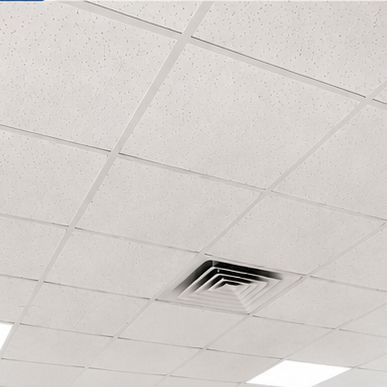
In modern ceiling and partition construction, paint-baked keel systems have become a preferred choice for contractors who need reliable performance, clean aesthetics, and efficient installation. A paint-baked keel is a metal keel or framework component that has been factory coated with a baked-on paint finish before delivery. This finish is cured at high temperature, creating a durable surface that is more resistant to wear, corrosion, and discoloration than ordinary site-applied coatings.
Contractors often choose paint-baked keel systems because they combine strength, consistency, speed of installation, long service life, and visual appeal. These systems are widely used in suspended ceilings, partition ceilings, decorative ceiling structures, and interior framing applications. For projects where appearance and performance both matter, paint-baked keel systems offer a practical balance of cost control and construction quality.
This page provides industry-focused information about paint-baked keel systems, including definitions, key advantages, common specifications, application scenarios, material features, installation considerations, and a comparison table that can help contractors, developers, designers, and project planners better understand the value of this product category.
A paint-baked keel system is a metal support framework coated with a factory-applied paint finish that is cured under heat. The term “keel” is commonly used in some construction markets to refer to the main load-bearing or decorative framing members used in ceilings and interior systems. The baked paint layer creates a smooth and protective surface, which helps improve product appearance and resistance to environmental stress.
Unlike on-site painting, where finish quality may vary due to dust, humidity, labor inconsistency, or drying conditions, paint-baked keel systems are produced in controlled factory environments. This leads to more stable coating thickness, better adhesion, and more uniform color. For contractors, this means fewer finishing issues, less rework, and easier coordination with project timelines.
Paint-baked keel products are often manufactured from galvanized steel, aluminum alloy, or other metal substrates depending on the project requirements. The paint finish may be designed for indoor decorative use, corrosion resistance, moisture resistance, or enhanced aesthetic matching with ceiling panels and wall finishes.
Contractors prefer paint-baked keel systems for a wide range of practical reasons. These systems help reduce site labor, improve finish consistency, and provide a more professional final appearance. In commercial interiors, residential projects, public buildings, retail environments, and hospitality spaces, time and quality are both critical. Paint-baked keel systems support both goals.
One of the strongest reasons contractors choose paint-baked keel systems is the uniformity of the finish. Factory coating processes are tightly controlled, which helps ensure even color, smoother surfaces, and consistent gloss or matte levels. This is especially important in visible ceiling areas, where uneven paint or patchy color can affect the entire look of the space.
Because the paint finish is already applied and cured before shipment, contractors can install the keel system immediately without waiting for site painting or drying. This saves time and simplifies scheduling. Faster installation is particularly valuable on projects with tight deadlines, phased handovers, or coordination between multiple trades.
Site-applied coating usually requires extra labor, masking, surface preparation, and curing time. Paint-baked keel systems eliminate much of this work. Contractors can reduce labor costs, minimize site disruption, and lower the risk of finish defects caused by improper application or environmental conditions.
The baked-on coating is often more resistant to abrasion, peeling, and fading than a simple brush-applied or spray-applied finish. This makes paint-baked keel systems suitable for long-term use in interior environments where maintenance efficiency matters. Durability is a major consideration in projects that must maintain a clean appearance over years of service.
Many paint-baked keel systems are manufactured with a protective coating that helps shield the metal substrate from moisture, oxidation, and environmental damage. This is especially useful in areas with humidity, temperature variation, or occasional exposure to condensation. Contractors value this added protection because it helps extend product life and reduce future repair needs.
Modern interior projects often require coordinated colors across ceilings, walls, trims, and mechanical elements. Paint-baked keel systems make it easier to match color palettes and achieve a neat, unified appearance. This is one reason they are widely used in decorative ceiling systems, exposed structural ceilings, and premium interior spaces.
Since the finish is stable and factory-applied, paint-baked keel systems usually require less maintenance than untreated or site-finished metal components. This reduces lifecycle costs and improves the long-term value of the installation. Contractors and building owners both benefit from lower upkeep demands.
The following table summarizes the main advantages that make paint-baked keel systems attractive for contractors and project teams.
| Advantage | Description | Contractor Benefit |
|---|---|---|
| Factory-applied coating | Paint is applied and cured in controlled production conditions | More consistent quality and fewer site defects |
| Fast installation | No need for on-site painting or long drying time | Shorter project duration and lower labor cost |
| Clean appearance | Smooth finish with uniform color and gloss | Improved visual quality in visible interior spaces |
| Corrosion protection | Coating helps protect metal from moisture and oxidation | Longer service life and reduced maintenance |
| Scratch resistance | Baked finish is generally more durable than basic site paint | Better handling performance during transport and installation |
| Color consistency | Stable production process supports consistent batch color | Useful for large projects requiring uniform aesthetics |
| Lower rework risk | Less chance of coating failure caused by site conditions | Fewer callbacks and fewer finish-related issues |
Paint-baked keel systems are used in a broad range of interior construction projects. Their versatility makes them suitable for both practical and decorative environments. Below are common application areas where contractors frequently specify or install these systems.
Suspended ceilings often require a durable, visually neat keel framework to support ceiling boards, tiles, or decorative panels. Paint-baked keel systems are popular because they provide a clean background finish and can support design continuity across exposed or semi-exposed ceiling areas.
In retail stores, hotels, showrooms, offices, and public venues, ceiling design is often part of the overall brand image. Paint-baked keel systems help create visually consistent structures that complement lighting, acoustic materials, and architectural finishes.
Some projects use metal framing systems for lightweight interior partitions. Paint-baked keel components can be used where a finished appearance is needed or where the framing may remain partially visible.
Renovation work often requires quick installation and minimal site mess. Paint-baked keel systems are well suited to these conditions because they reduce finishing work and help contractors complete upgrades efficiently.
Hotels, restaurants, shopping malls, and branded retail spaces frequently need polished interior details. Paint-baked keel systems support a clean, modern look while providing the practical benefits of metal construction.
Offices, schools, healthcare facilities, transportation hubs, and administrative buildings can all benefit from ceiling and framing systems that are durable, low-maintenance, and aesthetically controlled.
Paint-baked keel systems are typically designed using metal substrates that provide structural stability and long-term reliability. The exact material selection depends on load requirements, environment, and design preferences. The table below outlines common material characteristics.
| Material / Feature | Typical Description | Performance Value |
|---|---|---|
| Galvanized steel | Steel coated with zinc for added corrosion resistance | Strong, durable, and widely used in building interiors |
| Aluminum alloy | Lightweight metal option with good corrosion resistance | Useful for low-weight applications and decorative systems |
| Paint-baked finish | Factory-applied coating cured under high heat | Improved adhesion, durability, and appearance |
| Surface smoothness | Even coating with minimal visual irregularity | Better aesthetics in exposed ceiling conditions |
| Color options | Common neutral and custom color selections | Supports architectural matching and design flexibility |
| Coating thickness | Varies by specification and use case | Influences durability and finish performance |
When contractors evaluate interior framing and ceiling systems, they usually focus on more than just price. They consider installation speed, structural reliability, appearance, maintenance, and compatibility with other materials. Paint-baked keel systems perform well across all of these priorities.
Large projects often require many identical components. Factory-coated paint-baked keel systems make it easier to maintain repeated quality across all units. This is important when a contractor must install hundreds or thousands of linear meters of framing and wants every visible section to look the same.
Site-finished metal parts can vary in appearance because of dust, weather, uneven film thickness, or inconsistent labor practices. Paint-baked keel systems remove many of these variables, allowing contractors to deliver more predictable results.
The baked coating often provides a more stable surface that can better withstand handling during packaging, loading, and site movement. Although care is still required, the factory finish is typically more dependable than basic uncoated or weakly coated alternatives.
Today’s interior construction standards often demand higher visual quality and tighter project control. Paint-baked keel systems support these expectations by offering neat edges, color consistency, and a more refined final appearance.
Contractors frequently compare paint-baked keel systems with traditional site-painted alternatives. While both options can be used in interior projects, the baked finish usually offers clearer advantages in quality control and installation efficiency.
| Comparison Point | Paint-Baked Keel | Traditional Site-Painted Keel |
|---|---|---|
| Finish consistency | High, factory-controlled | Depends on site conditions and worker skill |
| Installation speed | Fast, ready to install | Slower due to painting and drying time |
| Appearance | Smooth and uniform | May show brush marks or uneven coverage |
| Durability | Generally stronger and more resistant | Varies depending on paint quality and application |
| Maintenance | Lower maintenance requirement | May need touch-ups and repainting |
| Project coordination | Easier to schedule and manage | Requires additional site preparation |
| Risk of defects | Lower due to controlled production | Higher due to environmental factors |
In many cases, contractors view paint-baked keel systems as the more practical choice when appearance, speed, and consistency are important. Site-painted systems may still be used in special situations, but they typically require more labor and quality control.
When selecting a paint-baked keel system, contractors and project teams should review several key specification factors. These help ensure the system matches the structural, visual, and environmental requirements of the project.
| Specification Factor | Why It Matters | Typical Consideration |
|---|---|---|
| Base material | Affects strength, weight, and corrosion resistance | Galvanized steel or aluminum alloy |
| Profile dimensions | Determines load capacity and compatibility with ceiling design | Selected based on span, load, and layout |
| Paint type | Influences finish quality and durability | Decorative, protective, or weather-resistant coating |
| Color finish | Supports visual coordination with interior design | Neutral tones, black, white, gray, or custom colors |
| Surface texture | Impacts visual appearance and reflection level | Gloss, semi-gloss, matte, or textured finish |
| Coating thickness | Affects wear resistance and service life | Chosen according to project durability needs |
| Installation environment | Determines whether extra corrosion resistance is needed | Dry interior, humid interior, or semi-exposed space |
Searches related to paint-baked keel systems often come from contractors, procurement teams, architects, and project owners looking for practical product information. Common buyer-intent topics include ceiling framework specifications, corrosion resistance, installation efficiency, and interior finish quality. Because this product category is used in construction supply chains, clear and structured content can help users compare options and understand value quickly.
Paint-baked keel system content is especially useful for:
From an SEO perspective, content that explains the definition, advantages, specification points, comparison factors, and application scenarios of paint-baked keel systems can attract traffic from users with both informational and commercial intent.
Although paint-baked keel systems are designed for convenience, proper installation remains important. Contractors should follow project drawings, load guidelines, and standard construction practices to ensure safe and effective performance.
To preserve the finish, components should be stored in dry, clean areas away from moisture and direct damage. Improper handling can lead to scratches or denting, even if the baked coating is durable.
Correct alignment is essential in any ceiling or framing project. Even a high-quality paint-baked finish cannot compensate for poor layout or uneven support. Contractors should confirm level lines, spacing, and connection points before final fixing.
The keel system should be compatible with ceiling panels, fasteners, suspenders, and accessory parts. Material compatibility helps avoid corrosion issues, loose connections, and visual mismatch.
During installation, tools and ladders may contact visible surfaces. Careful installation practices help maintain the appearance of the baked finish. Using proper protective measures can reduce the need for touch-up work.
Contractors often inspect installed systems for straightness, surface condition, finish consistency, and secure fixing. Early inspection helps identify issues before final handover and reduces the chance of later callbacks.
Beyond the immediate installation benefits, paint-baked keel systems offer strong long-term value. Their durability can help lower replacement frequency, while their stable finish reduces the likelihood of visible deterioration. For building owners, this means improved lifecycle performance. For contractors, it means fewer warranty complaints and better project reputation.
In commercial and public buildings where interior appearance must remain professional over time, the combination of low maintenance and good visual consistency is especially valuable. Since the baked coating is applied in a controlled environment, the system can deliver more dependable performance than many site-finished alternatives.
The long-term benefits of paint-baked keel systems are often measured in:
For SEO and content development purposes, the following keyword phrases are closely related to paint-baked keel systems. These terms can be naturally included throughout a blog post, category page, or industry landing page:
Using these keywords in a natural and informative way can help improve search relevance for users looking for construction material guidance, ceiling system comparisons, and interior metal framing information.
The following table provides a concise summary of common paint-baked keel system attributes.
| Item | Typical Description |
|---|---|
| Product type | Pre-finished metal keel / framing system |
| Surface treatment | Factory-applied baked paint coating |
| Main use | Suspended ceilings, partitions, decorative framing |
| Common substrate | Galvanized steel or aluminum alloy |
| Main benefit | Faster installation with a clean, durable finish |
| Appearance | Uniform, smooth, and professional |
| Maintenance level | Low to moderate depending on environment |
| Contractor value | Reduced labor, better consistency, improved project efficiency |
Paint-baked keel systems continue to be a preferred solution in modern construction because they solve several common contractor challenges at once. They offer a durable factory finish, reliable color consistency, faster installation, and lower maintenance requirements. These qualities make them especially attractive in projects where visual quality, efficiency, and long-term performance are all important.
For contractors, choosing a paint-baked keel system can mean fewer site complications, reduced rework, and a more polished final result. For building owners and designers, it can mean a cleaner appearance, improved consistency, and a longer-lasting interior solution. Whether used in commercial ceilings, decorative interior structures, or general framing applications, paint-baked keel systems provide a practical and professional construction choice.
If your goal is to create SEO-friendly industry content for a blog, directory page, or product category page, paint-baked keel systems offer a strong topic with clear search value. The combination of technical definition, contractor benefits, specification tables, and application examples makes this subject highly suitable for ranking-focused, informative content.
This website uses cookies to ensure you get the best experience on our website.



 Phone:
Comment
(0)