

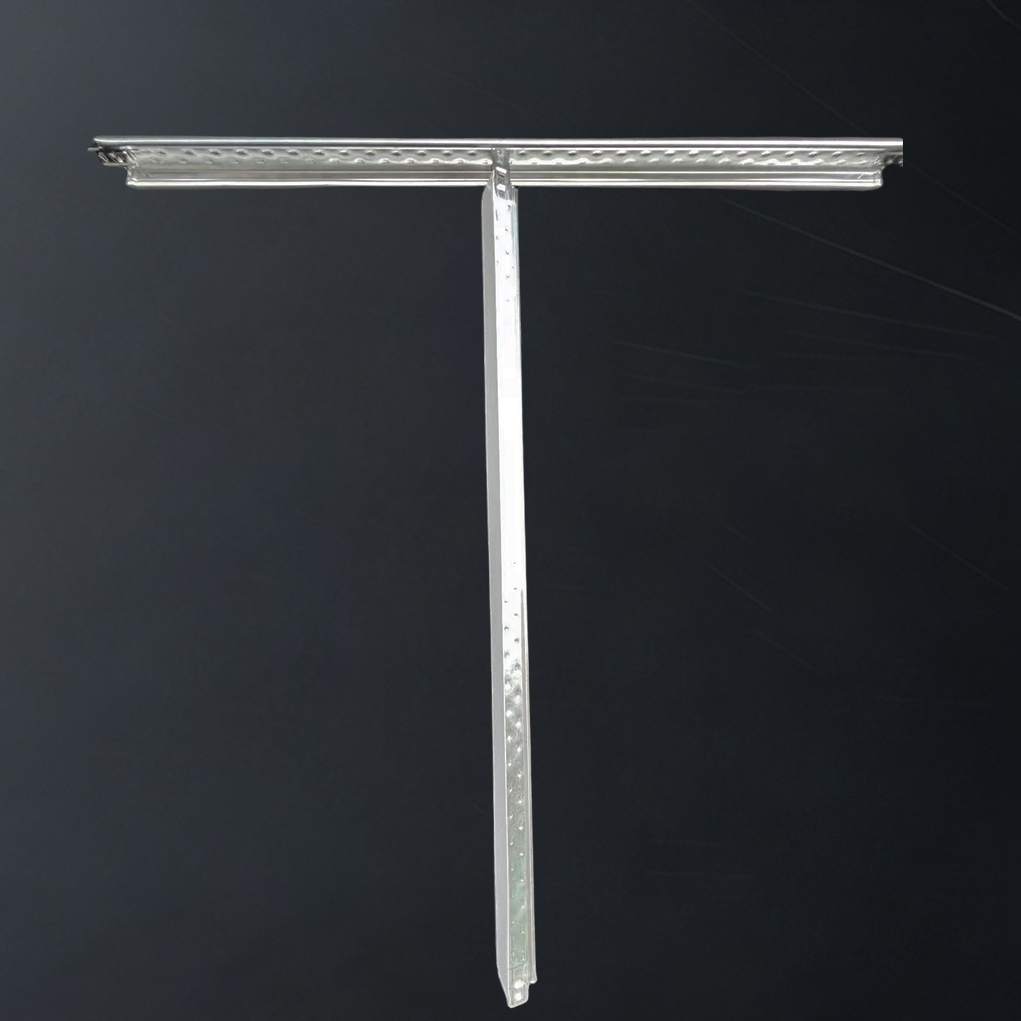
Below is an original, SEO-friendly, English content draft on Steel Ceiling Grid Advantages in Commercial Buildings, written in a clear structure with keyword-rich headings, tables, and practical industry information. It is designed for direct insertion into the middle section of an HTML page for blogs, category pages, or industry pages. No company recommendations are included.
---
Steel Ceiling Grid Advantages in Commercial Buildings
Steel Ceiling Grid Systems are a popular choice in modern commercial construction because they combine strength, durability, design flexibility, and long-term performance. In office buildings, retail spaces, hospitals, schools, airports, hotels, and public facilities, a steel ceiling grid provides the structural framework that supports suspended ceiling tiles, panels, lighting fixtures, HVAC components, fire protection devices, and access points for building maintenance.
For commercial projects, the ceiling system is more than a visual finish. It plays an important role in acoustics, fire safety, service accessibility, energy efficiency, and overall building performance. A steel ceiling grid offers a dependable solution for high-traffic environments where reliability and code compliance matter. Compared with lighter or less durable alternatives, steel ceiling grid systems are known for their load-bearing capability, dimensional stability, and resistance to deformation over time.
This article explains the meaning of a steel ceiling grid, its main advantages in commercial buildings, common applications, typical specifications, material characteristics, and selection factors. It is written for architects, contractors, builders, distributors, and commercial property owners seeking high-quality, search-friendly information about steel ceiling grid systems.
---
What Is a Steel Ceiling Grid?
A steel ceiling grid is a suspended framework made from steel components used to support ceiling tiles or panels. It is typically installed below the structural ceiling and consists of Main Runners, Cross Tees, Wall Angles, Suspension Wires, and connectors. The grid creates a uniform and stable ceiling plane while leaving a plenum space above for mechanical, electrical, and plumbing services.
In commercial buildings, steel ceiling grid systems are often used as part of a suspended ceiling or drop ceiling assembly. They are engineered to hold various ceiling materials, including mineral fiber tiles, metal panels, acoustic boards, gypsum panels, and specialty ceiling products.
Because steel has a high strength-to-weight ratio, steel ceiling grids can provide excellent structural support while remaining relatively lightweight and easy to install. They are widely used in projects that demand safety, durability, and long service life.
---
Why Steel Ceiling Grid Systems Are Important in Commercial Buildings
Commercial buildings need ceiling systems that do more than cover overhead space. These systems must support essential infrastructure, maintain accessibility for repairs, and meet performance requirements related to fire safety, acoustics, and aesthetics.
Steel ceiling grid systems are important because they help commercial spaces achieve:
- Reliable support for ceiling finishes and integrated building services
- Faster installation compared with some traditional construction methods
- Easier access to concealed utilities
- Better coordination between architectural and mechanical systems
- Improved durability in demanding environments
- A clean and professional ceiling appearance
In many commercial spaces, the ceiling grid also contributes to the overall branding and user experience. A flat, level, and well-finished ceiling surface can make interiors appear more organized, modern, and professional.
---
Key Advantages of Steel Ceiling Grid in Commercial Buildings
1. High Strength and Load-Bearing Capacity
One of the most important advantages of a steel ceiling grid is its strength. Steel can support heavier ceiling materials and integrated systems such as lighting, air diffusers, sprinkler heads, speakers, sensors, and signage components. In commercial buildings where ceiling loads may vary, a steel grid provides dependable structural support.
This strength makes steel ceiling grids suitable for larger spans and more demanding ceiling configurations. They can maintain alignment under load better than weaker materials, reducing the risk of sagging or distortion.
2. Excellent Durability and Long Service Life
Steel ceiling grid systems are designed for long-term use. Steel resists damage caused by normal commercial occupancy, vibration, maintenance activity, and environmental stress. When properly protected with coatings such as galvanization, steel Ceiling Grid Components can perform well for many years.
In commercial buildings where ceilings are expected to remain in service for a long period, durability is a major advantage. Fewer repairs and replacements can help reduce life-cycle costs.
3. Dimensional Stability
Steel ceiling grids maintain their shape and dimensions more consistently than many alternative materials. This is especially important in commercial spaces where clean ceiling lines and precise alignment are essential.
Dimensional stability helps prevent issues such as:
- Warping
- Twisting
- Sagging
- Uneven tile placement
- Visible gaps or misalignment
For architects and contractors, this consistency supports a better finished appearance and easier installation.
4. Fire Safety Support
Fire performance is a critical concern in commercial buildings. Steel is non-combustible, making it a preferred material in many ceiling grid applications. While the complete fire rating of a ceiling assembly depends on the full tested system, steel ceiling grid components can contribute to improved fire safety performance when used in compliant assemblies.
This is especially valuable in:
- Office towers
- Hospitals
- Educational facilities
- Hotels
- Transportation terminals
- Public buildings
A steel ceiling grid can be part of a fire-rated ceiling system when designed and installed according to applicable standards and testing requirements.
5. Easy Integration with Building Services
Modern commercial ceilings often contain multiple services above and below the ceiling plane. Steel ceiling grids are well suited to support and organize these elements. They can accommodate:
- Recessed lighting
- Linear lighting
- HVAC diffusers and grilles
- Fire sprinklers
- Smoke detectors
- Security systems
- Audio systems
- Access panels
Because of this flexibility, steel ceiling grid systems are widely used in projects with complex service coordination. They simplify the process of integrating architectural design with mechanical and electrical systems.
6. Better Acoustic Performance Support
Acoustics are an important consideration in commercial buildings such as offices, schools, conference rooms, and healthcare facilities. A steel ceiling grid provides the framework for acoustic ceiling tiles or panels that help absorb sound and reduce noise transfer.
By supporting acoustic materials effectively, steel ceiling grid systems contribute to:
- Improved speech privacy
- Lower background noise
- Better occupant comfort
- Enhanced concentration in workspaces
- A more pleasant indoor environment
Acoustic performance depends on the complete ceiling assembly, but the steel grid plays a key structural role in achieving the desired result.
7. Clean Appearance and Design Flexibility
Steel ceiling grid systems support a wide range of ceiling tile formats, panel types, and modular layouts. This gives designers flexibility to create clean, modern interiors that match the architectural style of the building.
Commercial projects can use steel grids for:
- Standard suspended ceilings
- Concealed or semi-concealed systems
- Feature ceiling layouts
- Open plenum designs
- Modular ceiling patterns
The result is a ceiling system that can balance visual appeal with functional performance.
8. Efficient Installation
Compared with many built-in ceiling construction methods, steel ceiling grid systems are efficient to install. Their modular design makes layout, leveling, and alignment straightforward for experienced crews.
Advantages during installation include:
- Faster construction progress
- Reduced labor time
- Simple replacement of individual components
- Easier adaptation to onsite conditions
- Convenient access for future maintenance
In commercial construction, installation speed can affect project schedules and labor costs. Steel ceiling grid systems often help improve workflow efficiency.
9. Easy Maintenance and Access
A suspended steel ceiling grid allows ceiling tiles or panels to be removed individually, giving access to utilities above the ceiling. This is extremely useful in commercial buildings where systems may need maintenance, inspection, upgrades, or repairs.
Maintenance benefits include:
- Access to wiring and cabling
- Access to plumbing and HVAC components
- Quick replacement of damaged tiles
- Easier inspection of concealed systems
- Less disruption to occupants
This access is one reason suspended steel ceiling grid systems are a standard solution in commercial and institutional buildings.
10. Corrosion-Resistant Options Available
Many steel ceiling grid products are manufactured with protective coatings that help resist corrosion, especially in environments with moisture or humidity. Depending on the application, steel grids may be galvanized or otherwise treated to improve resistance to rust and surface damage.
This makes them suitable for a wide range of commercial spaces, including buildings with variable indoor conditions. In some projects, specialized coatings or materials may be selected for enhanced performance.
11. Cost-Effective Over the Long Term
While material costs vary depending on project requirements, steel ceiling grid systems can offer strong value over time because of their durability, low maintenance needs, and ease of replacement. Their long service life helps reduce the need for frequent repairs or system changes.
For commercial property owners, long-term cost efficiency is an important advantage. A ceiling grid that performs reliably and supports easy access can help lower operational costs.
12. Compatible with Modular Ceiling Systems
Steel ceiling grids are ideal for modular construction approaches. They work well with standardized ceiling tile dimensions and repeated layout patterns, which supports accuracy and scalability in commercial projects.
Modular compatibility offers:
- Predictable material planning
- Less waste
- Easier replacement of individual parts
- Cleaner project execution
- Better coordination with prefabricated components
This is especially useful in large commercial developments and renovation projects.
---
Common Commercial Applications of Steel Ceiling Grid
Steel ceiling grid systems are used in many types of commercial buildings. Their versatility makes them suitable for both new construction and renovation projects.
Typical Applications Include:
| Commercial Building Type | Main Use of Steel Ceiling Grid |
|---|---|
| Office Buildings | Suspended ceilings for acoustics, lighting, and service access |
| Retail Stores | Clean appearance, lighting integration, and flexible layouts |
| Hospitals | Hygienic, accessible, and service-friendly ceiling solutions |
| Schools and Universities | Acoustic control and easy maintenance |
| Hotels | Decorative and functional ceiling systems |
| Airports | Durable ceilings for high-traffic public areas |
| Shopping Malls | Large-area ceiling support with lighting integration |
| Conference Centers | Acoustic management and flexible access |
| Government Buildings | Safe, reliable, and visually consistent ceiling systems |
| Industrial Office Areas | Durable support for utility access and interior finish |
Because commercial spaces vary greatly in function and occupancy, a steel ceiling grid can be adapted to many interior performance needs.
---
Steel Ceiling Grid vs Other Ceiling Grid Materials
Commercial buyers often compare steel ceiling grid systems with other materials such as aluminum or lightweight alternatives. Each option has its place, but steel is frequently chosen when strength and reliability are top priorities.
| Material Type | Main Advantages | Common Limitations |
|---|---|---|
| Steel | High strength, durable, stable, cost-effective over time | Heavier than some alternatives |
| Aluminum | Lightweight, corrosion-resistant, easy to handle | Lower load capacity in many applications |
| PVC / Plastic-based systems | Lightweight, moisture-resistant in certain uses | Lower structural strength, less common in commercial heavy-duty applications |
| Gypsum support structures | Clean finish, good fire performance in some assemblies | Less modular and less accessible than suspended grids |
In commercial applications, steel ceiling grid systems are often preferred when the ceiling must support more weight, remain stable over time, and provide broad compatibility with building services.
---
Main Components of a Steel Ceiling Grid System
A complete steel ceiling grid system usually includes several standard components.
1. Main Runners
Main runners are the primary load-bearing members that form the backbone of the grid.
2. Cross Tees
Cross tees connect to main runners and create the modular framework that supports ceiling tiles or panels.
3. Wall Angles
Wall angles are installed at the perimeter to support and finish the edges of the ceiling grid.
4. Suspension Wires
Suspension wires hang from the structural ceiling and support the grid system above.
5. Clips and Connectors
These accessories help secure and align the grid components.
6. Ceiling Tiles or Panels
While not part of the grid itself, tiles and panels complete the ceiling system and determine the final appearance and acoustic performance.
7. Access Accessories
These may include access panels, trim pieces, seismic clips, or specialized support hardware depending on the project requirements.
---
Typical Steel Ceiling Grid Specifications
The exact specification of a steel ceiling grid depends on the manufacturer, project design, and local building code requirements. The following table provides a general overview of typical industry specification considerations.
| Specification Item | Typical Description |
|---|---|
| Material | Cold-rolled steel or galvanized steel |
| Surface Finish | Galvanized, coated, or corrosion-resistant finish |
| Standard Module Size | Commonly designed for 600 x 600 mm or 600 x 1200 mm ceiling tiles |
| Main Runner Depth | Varies by system and load requirement |
| Cross Tee Lengths | Match modular grid layout |
| Load Capacity | Depends on system design, spacing, and suspension method |
| Fire Performance | Dependent on tested assembly and local code compliance |
| Acoustic Compatibility | Works with acoustic tiles and panels |
| Installation Type | Suspended ceiling / drop ceiling framework |
| Maintenance Access | Removable tiles or panels for service access |
| Application Environment | Offices, retail, healthcare, education, transportation, and more |
Because specifications differ from one project to another, the ceiling grid should always be selected based on load requirements, ceiling finish type, and applicable standards.
---
Performance Factors to Consider When Selecting a Steel Ceiling Grid
When choosing a steel ceiling grid for a commercial building, several performance factors should be reviewed.
Load Requirements
The grid must support the weight of the selected ceiling tiles and any integrated accessories.
Environmental Conditions
Humidity, temperature variation, and indoor air conditions may influence the choice of protective finish.
Fire and Safety Codes
The complete ceiling assembly should meet relevant fire and safety regulations.
Acoustic Goals
If noise reduction is needed, the steel grid must support compatible acoustic panels or tiles.
Accessibility Needs
Buildings requiring frequent maintenance should use a layout that allows easy access above the ceiling.
Aesthetic Design
The visible grid profile, color, and tile arrangement should align with the interior design concept.
Project Budget
The initial cost, installation cost, and long-term maintenance cost should all be considered.
---
Benefits for Different Stakeholders in Commercial Construction
A steel ceiling grid provides value to multiple stakeholders in a commercial project.
For Architects
- Flexible design options
- Compatibility with modular layouts
- Support for acoustic and lighting integration
For Contractors
- Easier installation
- Predictable framework layout
- Efficient onsite adjustments
For Building Owners
- Durable long-term performance
- Lower maintenance disruption
- Better access to services
For Occupants
- Cleaner interior appearance
- Better acoustic comfort
- Reduced downtime during repairs
This multi-benefit profile is one reason steel ceiling grid systems continue to be widely used in commercial construction.
---
Steel Ceiling Grid Installation Overview
Although installation methods vary, the general process usually includes the following steps:
1. Measure and mark the ceiling layout.
2. Install perimeter wall angles.
3. Suspend main runners from the structural ceiling.
4. Add cross tees to form the grid.
5. Check alignment, level, and spacing.
6. Install lighting and service components.
7. Place ceiling tiles or panels into the grid.
8. Complete final inspection and adjustments.
Proper installation is essential for safety, appearance, and performance. Even the best steel ceiling grid will not perform well if the suspension system is poorly aligned or the components are not installed correctly.
---
Advantages of Steel Ceiling Grid for Renovation Projects
Steel ceiling grids are especially useful in renovation and retrofit projects because they can be installed with relatively limited disruption. Existing commercial spaces often need upgrades to lighting, acoustics, HVAC, or electrical systems without major structural changes.
Benefits in renovation projects include:
- Minimal demolition
- Fast installation over existing conditions
- Easy upgrades to ceiling finishes
- Improved access to old or new services
- Ability to modernize the interior appearance
This makes steel ceiling grid systems a practical solution for tenant improvements and building modernization.
---
Steel Ceiling Grid and Sustainability Considerations
Sustainability is increasingly important in commercial building design. Steel ceiling grid systems can support sustainability goals in several ways.
Recyclability
Steel is widely recyclable, which supports resource efficiency.
Long Life Cycle
Long service life helps reduce replacement frequency.
Support for Energy-Efficient Systems
The grid can accommodate lighting and mechanical systems designed for lower energy use.
Waste Reduction
Standardized modular components can reduce material waste during installation.
In commercial buildings focused on long-term value and responsible material selection, steel ceiling grid systems can fit well into sustainable design strategies.
---
Common Questions About Steel Ceiling Grid in Commercial Buildings
Is a steel ceiling grid suitable for heavy ceiling loads?
Yes, steel ceiling grid systems are commonly chosen for their strength and ability to support heavier ceiling assemblies and integrated services.
Can steel ceiling grids be used in high-traffic commercial areas?
Yes, they are widely used in offices, retail spaces, airports, schools, and other high-traffic environments.
Do steel ceiling grids help with acoustics?
Yes, they support acoustic tiles and panels that help improve sound control in commercial interiors.
Are steel ceiling grids fire-resistant?
Steel is non-combustible, but fire performance depends on the full tested ceiling assembly and compliance with building codes.
Are steel ceiling grids easy to maintain?
Yes, they are designed for access, inspection, and tile replacement, making maintenance easier in commercial buildings.
---
Summary of Steel Ceiling Grid Advantages
Steel ceiling grid systems offer a strong combination of performance, flexibility, and long-term value for commercial buildings. Their benefits include high load capacity, dimensional stability, fire safety support, acoustic compatibility, easy maintenance access, and efficient installation. Because of these advantages, steel ceiling grid solutions are widely used in offices, retail stores, healthcare facilities, schools, hotels, transportation hubs, and other commercial environments.
For commercial projects that require a dependable Suspended Ceiling Framework, steel ceiling grid remains one of the most practical and widely adopted choices. It supports modern building services, enhances interior appearance, and contributes to efficient building operation over time.
---
Quick Reference Table: Why Steel Ceiling Grid Is a Strong Commercial Choice
| Advantage | Commercial Benefit |
|---|---|
| High strength | Supports ceiling tiles and integrated systems |
| Durable | Long-term performance with lower replacement needs |
| Stable | Maintains alignment and appearance |
| Non-combustible | Supports fire-safe ceiling assemblies |
| Modular | Easy to install and maintain |
| Service-friendly | Allows access to concealed utilities |
| Acoustic-ready | Works with sound-absorbing tiles and panels |
| Design-flexible | Suitable for many commercial interior styles |
---
If you want, I can also provide:
1. a more SEO-optimized version with meta title, meta description, and FAQ schema-style questions,
2. an HTML-formatted version ready to paste into your page, or
3. a version tailored to a specific keyword cluster such as steel ceiling grid system, commercial Suspended Ceiling Grid, or metal Ceiling Grid for Office buildings.
This website uses cookies to ensure you get the best experience on our website.



 Phone:
Comment
(0)