

Choosing the right ceiling material supplier is one of the most important decisions for contractors,
architects, distributors, interior designers, and project owners. The quality of the supplier directly affects
product performance, installation efficiency, project timelines, long-term durability, and overall cost control.
Whether you are sourcing for a commercial building, residential renovation, hospitality project, healthcare facility,
retail space, or industrial application, a reliable supplier helps ensure that your ceiling materials meet the
required standards for safety, design, and performance.
This guide explains how to evaluate ceiling material suppliers using practical, industry-wide criteria.
It covers product quality, manufacturing capability, certifications, customization options, logistics, pricing,
after-sales service, and other essential factors. The content below is designed to be SEO-friendly, original,
and suitable for direct placement into a blog page, category page, or industry information page.
A ceiling material supplier is a company that provides products used in ceiling construction,
ceiling renovation, and ceiling finishing projects. These materials may include gypsum board, mineral fiber board,
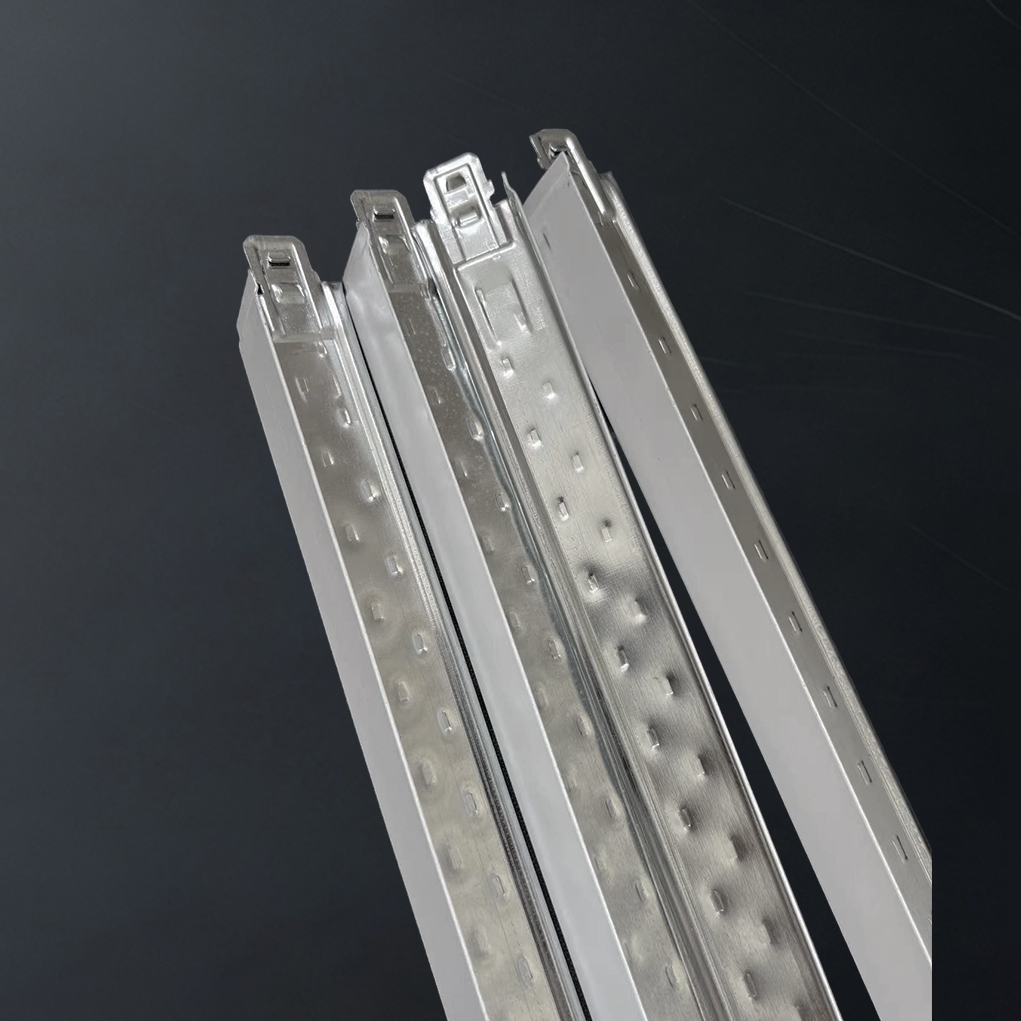
metal ceiling tiles, aluminum panels, PVC ceiling panels, Acoustic Ceiling Systems, Suspended Ceiling Grids,
and decorative ceiling accessories. In some cases, suppliers also provide related installation components such as
hangers, clips, trims, and support systems.
Ceiling material suppliers may operate as manufacturers, wholesalers, distributors, or export-focused trading
companies. Some suppliers focus on standard products, while others specialize in custom ceiling solutions for
architectural and commercial projects. The best supplier is not always the cheapest one; instead, the best supplier
is the one that consistently delivers the right balance of product quality, stable supply, technical support,
and competitive pricing.
Evaluating ceiling material suppliers carefully helps reduce project risk. Poor-quality ceiling products can lead to
sagging, cracking, discoloration, poor acoustic performance, fire safety issues, and costly replacements. Delays in
material delivery can disrupt construction schedules and increase labor costs. Inconsistent product dimensions can
slow down installation and create waste. For this reason, a structured supplier evaluation process is essential.
A qualified supplier should be able to support stable procurement, provide technical documentation, maintain quality
control, and offer consistent product performance across batches. This is especially important for large-scale
construction, export projects, and commercial fit-outs where material consistency is critical.
Below are the most important factors to review when comparing ceiling material suppliers. These criteria apply across
most ceiling product categories and can be used as a practical supplier checklist.
Product quality should always be the first consideration. A good supplier must provide ceiling materials that are
durable, dimensionally stable, visually consistent, and suitable for the intended application. Quality is not only
about appearance; it also includes resistance to moisture, fire, impact, corrosion, and deformation.
When evaluating ceiling material quality, review the raw material composition, surface finish, edge treatment, panel
thickness, and load-bearing ability. For acoustic ceilings, check sound absorption performance. For metal ceilings,
check coating quality and corrosion resistance. For gypsum-based ceilings, check density, core strength, and moisture
resistance.
A supplier’s manufacturing capability reflects its ability to produce ceiling materials in stable volumes with
consistent quality. Strong manufacturing capability usually means better lead times, lower defect rates, and more
reliable bulk supply. This is especially important for international projects and repeat orders.
Important manufacturing indicators include production scale, machinery level, automation degree, QC processes, and
raw material sourcing. Suppliers with advanced production systems typically offer more consistent product dimensions
and better batch-to-batch uniformity. If a project requires custom sizes, patterns, or finishes, a supplier with
flexible manufacturing lines is often a better choice.
A well-structured quality control system is essential for ceiling material suppliers. Reliable suppliers inspect raw
materials, monitor production, test finished products, and document results. The goal is to reduce defects and ensure
every shipment meets the required specifications.
Ask whether the supplier uses incoming material inspection, in-process inspection, and final product inspection.
Check whether they can provide test reports, batch records, and inspection documents. For project-based procurement,
this information helps buyers verify compliance and minimize risk.
Certifications help confirm that ceiling materials meet relevant industry standards. Depending on the market and
project type, buyers may need products that comply with fire safety, environmental, acoustic, or structural
requirements. Common documentation may include ISO-based quality systems, fire resistance reports, environmental
declarations, and product-specific testing certificates.
Certification does not guarantee perfect performance on its own, but it does show that the supplier is committed to
standardized processes and third-party verification. Always request current documents and confirm that the reports
are relevant to the exact product model being purchased.
A strong ceiling material supplier should offer a product range broad enough to support different project needs.
Some buyers need only one category of ceiling board, while others require a complete system including panels, grid
systems, edge trims, suspension accessories, and finishing components.
System compatibility is important because ceiling products must work together. For example, metal ceiling panels should
match the grid system, and acoustic panels should align with the installation framework. A supplier that offers a full
compatible system can simplify procurement and reduce technical issues during installation.
Many commercial and architectural projects require customized ceiling materials. Customization may include different
panel dimensions, perforation patterns, surface colors, textures, coatings, edge profiles, and acoustic backing
materials. Some projects also require branding, special packaging, or export labeling.
When evaluating supplier customization capability, ask about design flexibility, minimum order quantity, sample support,
and lead time for custom orders. A supplier with strong customization support can help designers and contractors
achieve project-specific results without compromising quality.
Price matters, but it should never be the only evaluation factor. Low-priced ceiling materials may create hidden costs
if they are difficult to install, inconsistent in quality, or prone to failure. A trustworthy supplier provides
transparent pricing and clearly explains what is included in the quotation.
Compare unit price, packaging cost, freight terms, sample fees, mold charges for custom products, and any additional
service charges. It is also important to evaluate the total landed cost rather than just the factory price. The best
ceiling material supplier is often the one that offers the best long-term value, not merely the lowest upfront price.
On-time delivery is crucial in construction supply chains. A supplier with unstable production capacity or poor
inventory management can cause schedule delays. Before placing an order, confirm standard production lead times,
stock availability, and shipping time estimates.
For large or repeat orders, ask whether the supplier can support phased delivery, buffer stock, and long-term
procurement planning. A stable supply partner helps reduce downtime and supports uninterrupted project execution.
Ceiling materials must be packaged carefully to avoid damage during loading, transport, and unloading. Panels may
scratch, bend, crack, or absorb moisture if packaging is poor. A professional supplier should use protective
packaging methods suitable for the material type and shipping distance.
Evaluate whether the supplier uses moisture-resistant wrapping, corner protection, pallet reinforcement, and export-
grade packing. Proper packaging reduces damage claims and protects product appearance and performance.
Good technical support is a sign of a professional ceiling material supplier. Buyers may need help with product
selection, installation guidance, load calculations, acoustic specifications, or fire performance documentation.
After-sales service is equally important. If a shipment has quality concerns or requires documentation updates, the
supplier should respond quickly and professionally. Strong communication helps build trust and reduces project risk.
Choosing a dependable supplier offers many advantages for procurement teams, contractors, and project managers.
These benefits go far beyond product delivery and can significantly improve the overall project outcome.
| Benefit | Description | Project Impact |
|---|---|---|
| Stable Quality | Consistent product dimensions, finish, and performance across batches | Fewer defects, smoother installation, less rework |
| Reliable Delivery | Predictable production and shipping schedules | Reduced construction delays and better project planning |
| Technical Support | Guidance on specifications, compliance, and installation | Better product selection and fewer technical errors |
| Customization Options | Flexible sizes, finishes, colors, and patterns | More design freedom and project-specific solutions |
| Cost Efficiency | Balanced pricing with lower hidden costs | Improved total project value and procurement control |
| Compliance Support | Documentation for fire, acoustic, and environmental requirements | Better approval process and reduced compliance risk |
Ceiling material suppliers may offer a wide variety of products depending on market focus and manufacturing
specialization. Understanding the main product categories can help buyers compare suppliers more effectively.
| Ceiling Material Type | Main Features | Typical Applications |
|---|---|---|
| Gypsum Ceiling Board | Lightweight, smooth surface, easy to cut and install | Residential interiors, offices, hotels |
| Mineral Fiber Ceiling Tile | Good acoustic absorption, lightweight, cost-effective | Schools, offices, hospitals, commercial buildings |
| Metal Ceiling Panel | Durable, modern appearance, moisture resistant, easy to maintain | Airports, malls, transit areas, commercial spaces |
| Aluminum Ceiling Panel | Corrosion resistant, decorative, lightweight | High-end interiors, public buildings, exterior soffits |
| PVC Ceiling Panel | Water resistant, easy to clean, economical | Bathrooms, kitchens, utility spaces |
| Acoustic Ceiling System | Sound control, noise reduction, design flexibility | Conference rooms, classrooms, auditoriums |
| Suspended Ceiling Grid | Supports ceiling tiles and panels, modular installation | Commercial and institutional buildings |
When comparing suppliers, use a specification checklist to standardize your review. This makes it easier to compare
offers objectively and identify any missing data.
| Specification Item | What to Check | Why It Matters |
|---|---|---|
| Material Composition | Base material, coating, filler, core structure | Determines durability, strength, and finish quality |
| Thickness | Actual product thickness and tolerance range | Affects performance, weight, and installation fit |
| Dimensions | Length, width, and edge profile | Important for system compatibility and layout accuracy |
| Surface Finish | Paint, laminate, coating, texture, or perforation | Impacts appearance and maintenance |
| Acoustic Rating | Sound absorption or noise reduction performance | Essential for acoustic projects and noise-sensitive spaces |
| Fire Performance | Fire rating, non-combustibility, test report | Critical for safety and building code compliance |
| Moisture Resistance | Resistance to damp conditions and humidity | Important in bathrooms, kitchens, and tropical climates |
| Corrosion Resistance | Coating and material behavior in harsh environments | Important for metal ceiling products |
| Packaging Standard | Pallet quality, wrapping, edge protection | Reduces transport damage |
| Lead Time | Production and delivery schedule | Helps manage project timelines |
A systematic comparison process can help buyers make smarter sourcing decisions. The following steps are simple,
practical, and suitable for both small and large procurement projects.
Start by identifying the ceiling type, application environment, performance requirements, budget range, and delivery
schedule. A clear specification reduces misunderstandings and improves quotation accuracy.
Ask for catalogs, specification sheets, certificates, test reports, and sample images. Reliable ceiling material
suppliers should provide clear and organized documentation.
If possible, request samples before placing a bulk order. Samples help you evaluate finish quality, dimensions,
weight, surface texture, and overall consistency.
Review the supplier’s production equipment, customization ability, QC system, and technical support. This stage helps
determine whether the supplier can support the full scope of your project.
Compare pricing, payment terms, shipping terms, order quantity requirements, and warranty policies. A good commercial
agreement should be clear, fair, and easy to implement.
Fast and professional communication is often a sign of a strong supplier. Suppliers that answer questions clearly
and provide timely updates are generally easier to work with throughout the project lifecycle.
Not all suppliers are equally reliable. Watch for warning signs that may indicate quality risk, delivery issues, or
weak project support.
Before selecting a supplier, ask direct questions to verify capability and reduce risk. The following questions can
help you collect useful procurement information.
| Question | Purpose |
|---|---|
| What ceiling materials do you specialize in? | Identify product expertise and category focus |
| Can you provide product specifications and test reports? | Check documentation quality and compliance support |
| What is your standard lead time for bulk orders? | Understand delivery capability and scheduling |
| Do you support custom sizes, colors, or perforation patterns? | Evaluate customization flexibility |
| How do you ensure product consistency between batches? | Assess quality control and process stability |
| What packaging methods do you use for export shipments? | Reduce transportation damage risk |
| Can you provide installation guidance or technical support? | Measure after-sales and engineering support |
In many cases, buying directly from a ceiling material supplier can create cost and efficiency advantages. Direct
sourcing can reduce unnecessary middleman markup, improve technical communication, and give buyers more control over
product specifications.
Direct supplier relationships often make it easier to request samples, negotiate terms, confirm quality expectations,
and manage repeat orders. For large projects, direct sourcing can also improve coordination and support long-term
supply continuity.
Ceiling material suppliers serve many sectors. Each sector has its own performance priorities, making supplier
evaluation especially important.
| Industry | Key Ceiling Needs |
|---|---|
| Residential | Style, affordability, easy installation, moisture resistance |
| Commercial Offices | Acoustic control, modular systems, maintenance access |
| Hospitality | Design aesthetics, fire safety, customization |
| Healthcare | Hygiene, cleanability, acoustic comfort, compliance |
| Education | Noise reduction, durability, cost control |
| Retail | Visual impact, quick installation, flexible design |
| Transportation | Durability, corrosion resistance, safety, easy maintenance |
For SEO purposes, content about ceiling sourcing should naturally include relevant search phrases. Below are common
keyword variations that can support indexing and search visibility when used appropriately in headings, paragraphs,
and table descriptions.
The best ceiling material supplier is the one that can support your project from specification to delivery with
quality, reliability, and transparency. A polished sales pitch should never replace technical verification. Always
review product samples, documentation, lead times, packaging standards, and service responsiveness before placing a
formal order.
If you are sourcing for a one-time project, focus on quality, price, and delivery. If you are building a long-term
supply chain, focus even more on consistency, communication, customization capability, and after-sales support. A
strong supplier relationship can improve project outcomes for years to come.
Evaluating ceiling material suppliers requires a balanced approach that considers product quality, manufacturing
strength, compliance, customization, pricing, logistics, and service. By using a clear supplier assessment process,
buyers can reduce risk, improve project efficiency, and source ceiling materials that meet both technical and design
requirements.
Whether you are purchasing gypsum boards, metal ceiling panels, acoustic ceiling tiles, or Suspended Ceiling Systems,
a structured supplier evaluation method will help you choose a dependable partner. Use the tables and checklists in
this guide as a practical reference for procurement, project planning, and supplier comparison.
```
This website uses cookies to ensure you get the best experience on our website.



 Phone:
Comment
(0)