

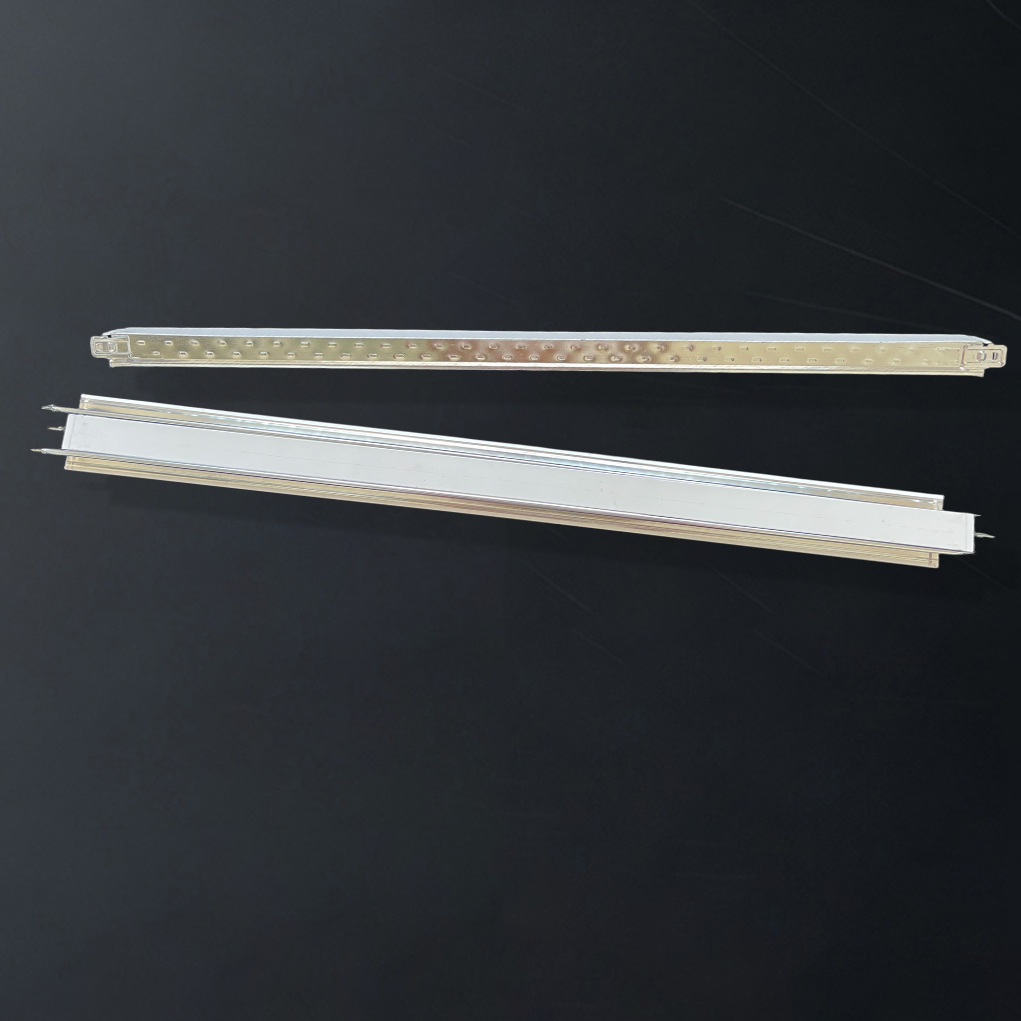
Ceiling systems play a critical role in the performance, comfort, safety, and appearance of residential, commercial, and industrial buildings. When a ceiling system develops problems, the issue can affect acoustics, thermal performance, lighting integration, fire resistance, hygiene, and overall building aesthetics. This Ceiling System Troubleshooting Guide provides a clear, SEO-friendly, and highly structured overview of common ceiling problems, likely causes, inspection methods, repair considerations, and preventive maintenance practices.
This guide is written in original English content and designed for use in blog posts, category pages, service pages, product pages, or industry resource sections. It focuses on general ceiling system information only, with no company-specific recommendations. It includes definitions, advantages, common specifications, comparison tables, and troubleshooting workflows to support search visibility and user understanding.
A ceiling system is the structural and decorative overhead layer installed below a roof deck, floor slab, or structural frame. Ceiling systems may be suspended, direct-fixed, modular, acoustic, fire-rated, moisture-resistant, or designed for cleanroom, healthcare, hospitality, office, educational, or industrial environments. The ceiling system may include panels, tiles, grids, hangers, accessories, lighting interfaces, insulation, access hatches, and mechanical service integration.
Modern ceiling systems are often selected for more than visual appeal. They contribute to sound control, energy efficiency, fire protection, maintenance access, and the concealment of ductwork, wiring, and piping. Because ceiling assemblies interact with many building systems, troubleshooting must consider structural, environmental, mechanical, and installation factors.
Ceiling defects are more than cosmetic issues. A minor stain, visible sag, or panel crack can indicate hidden moisture intrusion, building movement, HVAC imbalance, or installation failure. If left unresolved, ceiling problems can lead to safety hazards, reduced property value, poor indoor air quality, damaged finishes, and costly structural repairs.
Effective troubleshooting helps identify the root cause early, reduce downtime, protect building occupants, extend the life of the ceiling system, and preserve compliance with building standards. For this reason, ceiling troubleshooting should be systematic, document-driven, and based on visual inspection, environmental review, and material assessment.
Below are the most common issues found in ceiling systems across different building types. Each problem can stem from one or multiple causes, so diagnosis should not rely on appearance alone.
| Problem | Visible Symptoms | Typical Causes | Risk Level |
|---|---|---|---|
| Water Stains | Yellow, brown, or dark patches on ceiling surfaces | Roof leaks, plumbing leaks, condensation, HVAC issues | High |
| Sagging Ceiling | Panels or boards droop, deform, or bow downward | Moisture exposure, failed fasteners, overloaded grid, structural movement | High |
| Cracking | Hairline cracks, joint cracks, or large splits | Building settlement, vibration, thermal movement, poor joint treatment | Medium to High |
| Discoloration | Uneven color, fading, stains, or dark spots | Moisture, dust accumulation, smoke, aging, UV exposure | Medium |
| Loose Panels or Tiles | Tiles shift, drop, rattle, or fall out of place | Incorrect installation, grid damage, vibration, thermal expansion | High |
| Mold Growth | Visible mold, musty odor, dark spotting | Persistent moisture, poor ventilation, condensation | High |
| Poor Acoustic Performance | Echo, noise transfer, reduced sound absorption | Missing insulation, damaged tiles, wrong material selection | Medium |
| Grid Misalignment | Uneven lines, uneven panel spacing, visible tilt | Improper installation, movement, hanger failure | Medium to High |
A structured inspection process helps identify problems accurately. The checklist below can be used for suspended ceilings, drywall ceilings, acoustic ceilings, and Modular Ceiling Systems.
| Inspection Area | What to Check | Why It Matters |
|---|---|---|
| Surface Condition | Cracks, stains, bulges, discoloration, holes, delamination | Indicates moisture, stress, aging, or poor installation |
| Alignment and Level | Flatness, spacing, grid straightness, panel fit | Reveals movement, installation defects, or hanger failure |
| Moisture Signs | Water marks, dampness, dripping, mold, odor | Suggests active leaks or condensation issues |
| Support System | Hangers, wires, fasteners, anchors, tracks, joists | Structural support failure can lead to collapse risk |
| Mechanical Interference | HVAC vibration, pipe leaks, duct condensation, fixture pressure | Mechanical systems often cause recurring ceiling defects |
| Environmental Conditions | Humidity, temperature swings, ventilation quality | Helps explain warping, mold, and material deformation |
| Fire and Safety Components | Access panels, fire-rated assemblies, smoke seals, detectors | Ensures compliance and operational safety |
The following process can be used to troubleshoot most ceiling system issues in a logical and repeatable way.
Start by documenting the symptom: stain, sag, crack, panel drop, noise, or mold. Measure the affected area and note the ceiling type, location, and extent of the defect.
An old water stain may not indicate an active leak, while dampness, soft material, or repeated staining suggests ongoing moisture intrusion. Check for fresh wetness, odor, dripping, and changes after rainfall or HVAC operation.
Ceiling issues often originate above the ceiling plane. Inspect plumbing lines, condensation points, roof membranes, HVAC ducts, sprinkler lines, and electrical runs. Also observe whether the ceiling issue follows a specific structural line or building zone.
Check joists, framing, hangers, Suspension Wires, fasteners, anchors, and perimeter trims. If the support structure is damaged, the visible ceiling surface may only be a secondary symptom.
Record humidity, temperature variation, air circulation, and ventilation performance. High humidity and poor airflow are common causes of mold, tile warping, condensation, and acoustic degradation.
Gently test for softness, brittleness, separation, or sagging. Materials exposed to water may lose strength even after drying, especially gypsum-based products and fiber-based acoustic panels.
Never repair the surface alone if the underlying cause remains unresolved. For example, replacing a stained tile without fixing the leak can result in recurring damage and higher long-term costs.
Water damage is one of the most frequent ceiling system problems. Symptoms include stains, bubbling, sagging, peeling finish, and mold. The source may be a roof leak, plumbing failure, condensation, clogged drainage, or HVAC system malfunction.
Troubleshooting tip: Trace the highest point of moisture travel. Water often spreads before it becomes visible below the source.
Sagging can occur in suspended ceilings, drywall ceilings, and acoustic panels. It may be caused by water saturation, weak attachments, spacing errors, excess load, or movement in the building structure.
Troubleshooting tip: Check whether the sag is isolated or widespread. Localized sagging usually indicates a point failure, while uniform sagging may suggest support system problems.
Cracks appear in joints, corners, seams, and board surfaces. They are often caused by building settlement, vibration, thermal expansion and contraction, improper taping, or a lack of movement control joints.
Troubleshooting tip: If cracks reopen after repair, investigate structural movement or joint design rather than repeatedly patching the surface.
Loose tiles may result from damaged T-bars, improper sizing, poor edge support, repeated handling, or moisture distortion. In Suspended Ceiling Systems, tile movement may also indicate grid instability.
Troubleshooting tip: Verify the tile size, weight, and compatibility with the grid system.
Mold on ceiling surfaces is typically caused by persistent moisture combined with poor ventilation. Common areas include bathrooms, kitchens, basements, and spaces below leaky roofs or condensating ducts.
Troubleshooting tip: Mold control requires moisture control. Cleaning without solving the cause often leads to recurrence.
| Material Type | Strengths | Common Issues | Troubleshooting Notes |
|---|---|---|---|
| Gypsum Board | Smooth finish, good fire performance, versatile | Cracking, sagging, water damage, joint failure | Inspect joints, fasteners, and moisture exposure carefully |
| Mineral Fiber Tiles | Acoustic performance, lightweight, easy replacement | Staining, warping, edge damage, dusting | Often affected by humidity and water leaks |
| Metal Ceiling Panels | Durability, clean appearance, easy maintenance | Scratching, denting, corrosion, misalignment | Check coating condition and structural fit |
| PVC or Polymer Panels | Moisture resistance, easy cleaning | Warping, expansion, discoloration | Temperature changes can affect fit and shape |
| Wood Ceiling Panels | Decorative value, warmth, premium appearance | Warping, cracking, humidity movement, staining | Humidity control is essential for long-term stability |
| Fabric Acoustic Systems | Sound absorption, design flexibility | Dust accumulation, staining, tension loss | Requires careful maintenance and environmental control |
Understanding product and assembly specifications helps diagnose ceiling problems and prevent future failures. The table below lists common specification factors relevant to ceiling system performance.
| Specification | Typical Consideration | Why It Is Important |
|---|---|---|
| Panel Size | 600 x 600 mm, 600 x 1200 mm, 2 x 2 ft, 2 x 4 ft, or custom sizes | Incorrect dimensions can cause fit and support issues |
| Panel Thickness | Varies by acoustic, fire-rated, or decorative application | Affects rigidity, acoustics, and visual flatness |
| Load Capacity | Grid and hanger system support limits | Overloading can cause deflection or failure |
| Fire Rating | Assembly-dependent fire resistance level | Important for code compliance and occupant safety |
| Acoustic Rating | NRC, CAC, or sound absorption values | Key for noise control performance |
| Moisture Resistance | Humidity tolerance and water resistance level | Prevents warping, sagging, and mold growth |
| Surface Finish | Painted, laminated, coated, perforated, textured | Influences maintenance, appearance, and staining resistance |
| Access Requirement | Removable or fixed; maintenance access above ceiling | Affects repair speed and inspection ease |
Water stains are among the most common ceiling complaints. To diagnose them correctly, inspect the location, size, color, edge pattern, and timing of the stain. A circular stain may indicate a point source leak, while broad staining may suggest slow seepage or condensation.
Important diagnostic questions include:
If the ceiling stain is caused by condensation, the primary fix may involve insulation improvements, ventilation balancing, or temperature control. If it is caused by a leak, the water source must be repaired before replacing the ceiling material.
Sagging is a warning sign that should be inspected promptly. In suspended systems, sagging may result from excessive moisture, broken suspension wires, overloaded fixtures, or damaged perimeter support. In board systems, sagging may be linked to weakened substrate, adhesive failure, or fastener withdrawal.
Key inspection points include:
A sagging ceiling can sometimes be stabilized, but if material integrity is compromised, replacement is often safer and more reliable than repair.
Ceiling cracks are often visible at joints, corners, control areas, and transitions between materials. Hairline cracks may be caused by normal movement, but recurring or widening cracks usually point to a deeper issue.
| Crack Type | Possible Cause | Suggested Action |
|---|---|---|
| Hairline crack | Minor movement, drying shrinkage, surface stress | Monitor and repair if stable |
| Joint crack | Poor taping, substrate movement, thermal expansion | Inspect joint design and re-finish properly |
| Diagonal crack | Settlement, stress concentration, structural movement | Investigate building movement source |
| Widening crack | Ongoing movement or failed support | Urgent inspection recommended |
Crack repair should always include root-cause analysis. If structural movement is active, surface patching alone is only temporary.
Preventive maintenance is one of the most effective ways to reduce ceiling troubleshooting costs. Regular inspections help detect minor issues before they become major repairs.
| Issue Severity | Condition Description | Recommended Action |
|---|---|---|
| Minor | Small cosmetic defect with no moisture or structural concern | Monitor and perform surface repair |
| Moderate | Visible damage with possible underlying cause | Investigate and repair both surface and source |
| Serious | Sagging, recurring leaks, mold, or major cracking | Stop use if needed and perform urgent inspection |
| Critical | Risk of falling components or ceiling collapse | Restrict access and initiate emergency assessment |
Properly designed and maintained ceiling systems offer important functional and aesthetic advantages. These benefits apply to both commercial ceiling systems and residential ceiling assemblies.
For blog and directory page optimization, the following keyword themes are relevant to ceiling system troubleshooting content:
Using these phrases naturally throughout a page can improve topical relevance for search engines. However, keyword usage should remain readable and helpful rather than forced.
Water-related damage is one of the most common ceiling system failures. It often leads to stains, sagging, mold, and material deterioration.
Yes, if the stain is old, dry, and the material is structurally sound. But if the damage is active or the material has weakened, replacement is usually recommended.
Tiles may fall out due to improper installation, damaged grid components, vibration, excess weight, or moisture exposure.
Cracks that widen, reappear after repair, or occur with sagging, movement, or water damage should be treated as potentially serious.
Start by identifying the visible symptom, then inspect for moisture, structural movement, and nearby mechanical systems above the ceiling plane.
A successful ceiling system troubleshooting process depends on careful observation, accurate diagnosis, and attention to both visible and hidden causes. Whether the issue is a stain, crack, sag, mold spot, loose tile, or acoustic decline, the most effective approach is to identify the root cause before performing surface repairs. By following a structured inspection method and maintaining the ceiling system regularly, building owners and facility managers can reduce repair costs, improve safety, and extend service life.
This Ceiling System Troubleshooting Guide is designed to support SEO-friendly content development while providing practical, industry-wide information that can be used in commercial and informational webpages. For best results, keep the page updated with relevant ceiling maintenance content, specification details, and troubleshooting tables that help users find answers quickly.
This website uses cookies to ensure you get the best experience on our website.



 Phone:
Comment
(0)