

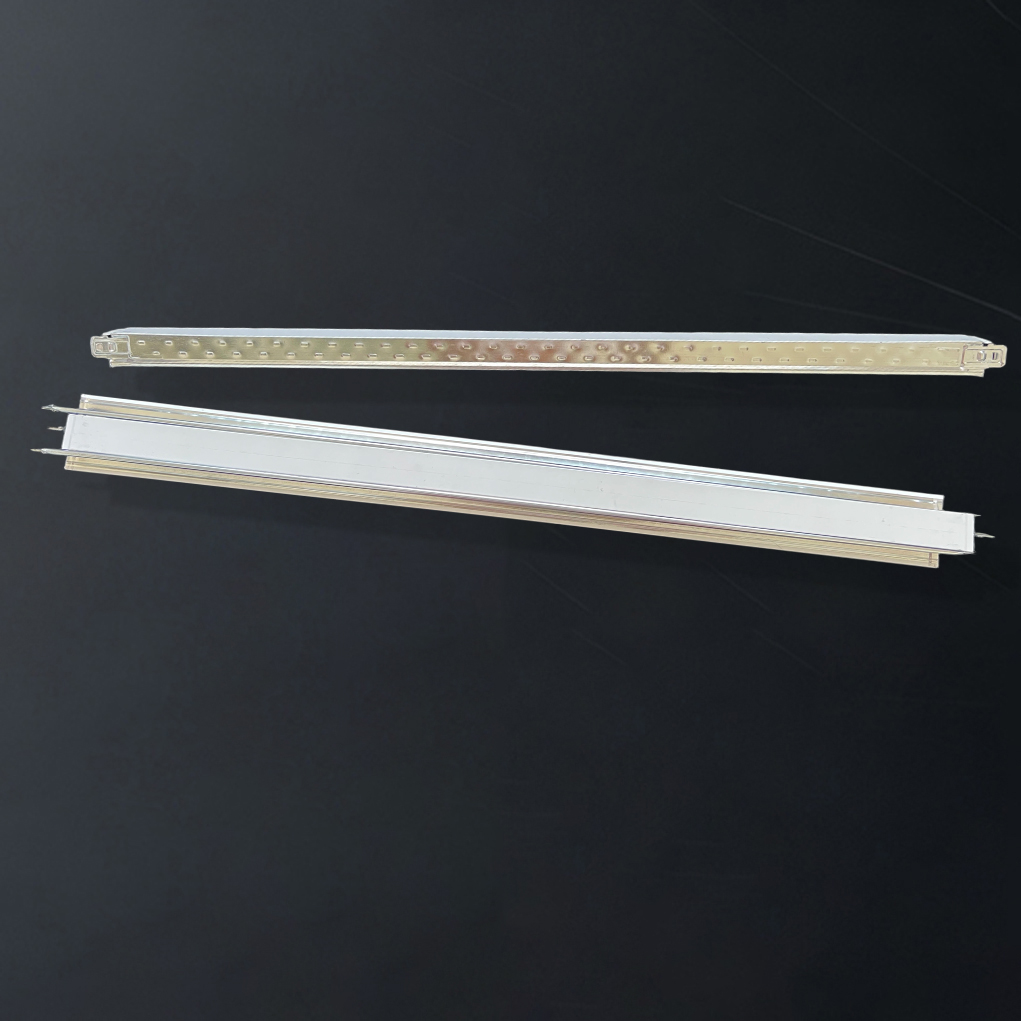
Ceiling system performance testing is the process of evaluating how a ceiling assembly behaves under real-world
environmental, structural, acoustic, fire, and durability conditions. For architects, contractors, engineers,
facility managers, and building owners, ceiling system performance testing is essential for verifying that a ceiling
solution meets project requirements, code expectations, and long-term operational demands. A well-tested ceiling
system can improve safety, comfort, energy performance, noise control, moisture resistance, and maintenance efficiency.
This guide provides a comprehensive overview of ceiling system performance testing, including the main test
categories, standard evaluation criteria, performance specifications, benefits, and common technical terms. The
content is written in a search-friendly structure with clear headings, keyword-focused explanations, and practical
reference tables. It is suitable for blog pages, category pages, industry resource pages, and SEO landing pages
focused on ceiling system testing, ceiling performance standards, Suspended Ceiling Systems, acoustic ceilings,
fire-rated ceilings, and building interior performance evaluation.
Ceiling system performance testing refers to the controlled assessment of a ceiling assembly to determine whether it
can meet specific technical requirements. A ceiling system may include ceiling panels, metal grid systems, hangers,
Suspension Wires, insulation layers, acoustic backing materials, lighting integration, access panels, and perimeter
trim. Each component affects the overall ceiling system performance.
Testing helps verify whether the ceiling can resist fire, control sound, support loads, reduce deflection, resist
humidity, maintain appearance, and contribute to indoor comfort. In commercial buildings, educational facilities,
healthcare environments, transportation hubs, retail centers, and industrial spaces, ceiling performance testing
supports reliable design and long-term use.
Ceiling systems are more than decorative finishes. They are functional building elements that influence safety,
acoustics, aesthetics, sustainability, and maintenance. Ceiling performance testing is important because it provides
measurable evidence that a system can perform under expected conditions. This is especially critical where building
codes, occupant comfort, or specialized environments create strict performance requirements.
Testing is valuable for the following reasons:
A complete ceiling system performance testing program usually includes multiple categories. The exact test set depends
on the ceiling type, project conditions, local standards, and intended use. The table below summarizes the most common
test types used for ceiling system evaluation.
| Test Category | Purpose | Typical Performance Focus | Common Use Cases |
|---|---|---|---|
| Fire Resistance Testing | Evaluates how the ceiling assembly performs during fire exposure | Flame spread, structural integrity, insulation, smoke behavior | Commercial, public, institutional, high-occupancy buildings |
| Acoustic Testing | Measures sound absorption and sound control | NRC, CAC, speech privacy, reverberation control | Offices, schools, hospitals, conference rooms |
| Load and Sag Testing | Assesses structural support and deformation resistance | Panel sag, grid deflection, hanging strength | Large-span ceilings, humid spaces, service-heavy ceilings |
| Humidity and Moisture Testing | Checks resistance to moisture-related damage | Warping, swelling, mold risk, surface stability | Bathrooms, kitchens, healthcare, transit facilities |
| Durability Testing | Evaluates wear, impact, cleaning resistance, and aging | Surface damage, color stability, maintenance tolerance | Schools, retail, corridors, high-traffic interiors |
| Seismic and Movement Testing | Examines response to building movement and vibration | Connection security, sway resistance, joint integrity | Earthquake-prone regions, transport buildings, technical spaces |
| Thermal Performance Testing | Measures interaction with heat and insulation systems | Thermal conductivity, temperature stability | Energy-conscious buildings, roof-adjacent interiors |
| Material Safety Testing | Checks chemical and environmental safety of materials | VOC emissions, material compliance, environmental quality | Healthcare, education, green building projects |
Fire resistance is one of the most important ceiling system performance metrics. Fire-rated ceiling systems are
designed to maintain integrity for a specified period when exposed to heat and flame. Fire performance testing
typically evaluates how the ceiling assembly responds to fire exposure, including flame spread, structural stability,
and thermal insulation.
In practice, ceiling fire performance can affect evacuation safety, compartmentation, and the protection of other
building elements above the ceiling. A fire-tested ceiling system may help slow the spread of fire and support the
overall fire strategy of the building.
Common fire performance considerations include:
Acoustic performance testing is a major part of ceiling system evaluation, especially in spaces where speech privacy,
sound absorption, and noise reduction are priorities. Acoustic ceilings are often used to improve comfort and reduce
reverberation in busy interiors. Testing determines how well a ceiling material absorbs sound or blocks sound
transmission.
Two of the most common acoustic metrics are:
Acoustic testing is especially important in open-plan offices, classrooms, healthcare facilities, libraries, meeting
spaces, and hospitality environments. A ceiling system with good acoustic performance can significantly improve
concentration, privacy, and occupant satisfaction.
| Acoustic Metric | What It Measures | Higher Value Means | Typical Application |
|---|---|---|---|
| NRC | Average sound absorption | Better noise reduction and quieter spaces | Offices, classrooms, restaurants, lounges |
| CAC | Sound blocking between rooms through the ceiling plenum | Better speech privacy and room-to-room separation | Healthcare, conference rooms, private offices |
| IC | Impact or noise control in specific systems | Lower noise transmission from activity above or around the ceiling | Multilevel buildings, occupied upper floors |
| STC | Sound transmission through assemblies | Greater reduction in airborne sound transmission | Partitions and integrated ceiling systems |
Structural performance testing evaluates whether a ceiling system can safely support its own weight and any applied
loads from lighting, diffusers, access panels, signage, sensors, and service equipment. This is particularly important
for Suspended Ceiling Systems, which rely on suspension wires, hangers, grids, and perimeter support conditions.
Important structural testing factors include load capacity, deflection, sag resistance, connection stability, and
vibration response. Ceiling systems in humid environments or large open spaces must also resist deformation over time.
Structural testing helps prevent visible sagging, panel displacement, and unsafe failures.
| Structural Test Focus | Performance Question | Expected Outcome |
|---|---|---|
| Load Capacity | Can the system support integrated components and service loads? | Stable support without excessive movement or failure |
| Deflection Resistance | Does the ceiling remain within acceptable deformation limits? | Minimal visible sag or distortion |
| Connection Strength | Do clips, hangers, and joints maintain security under stress? | No unintended release or separation |
| Vibration Resistance | How does the ceiling respond to mechanical vibration or movement? | Stable performance without loosening |
Moisture resistance is a critical ceiling system performance criterion in buildings where humidity levels are high or
where water exposure is possible. Ceiling panels can swell, stain, warp, deteriorate, or lose structural stability when
exposed to moisture. Performance testing helps determine whether materials can maintain their appearance and function
in demanding environments.
Moisture-related testing often includes high-humidity exposure, condensation resistance, dimensional stability, and
resistance to mold or microbial growth. Moisture-resistant ceiling systems are commonly specified for restrooms,
kitchens, laboratories, hospitals, locker rooms, and transportation facilities.
When comparing ceiling systems, moisture performance should be reviewed together with cleaning requirements,
ventilation conditions, and expected maintenance cycles.
Durability testing measures how a ceiling system performs after repeated use and long-term exposure. Even when a ceiling
passes initial installation checks, it still must perform over many years of service. Durability evaluation may include
surface abrasion, impact resistance, cleaning resistance, color stability, corrosion resistance, and long-term
dimensional stability.
Durable ceiling systems are valuable in areas with heavy foot traffic, frequent maintenance access, movable furniture,
and changing indoor environmental conditions. A long-lasting ceiling system can reduce replacement costs, downtime,
and lifecycle maintenance demands.
The following table presents common performance specification categories used when comparing ceiling system options.
Actual project requirements will vary based on building use, codes, climate, and design goals.
| Performance Category | Typical Specification Range | What to Check |
|---|---|---|
| Fire Resistance | 30, 60, 90, or 120 minutes depending on assembly and code | Assembly test report, rating continuity, penetrations |
| NRC | 0.50 to 0.95 for acoustic ceiling applications | Sound absorption performance in occupied spaces |
| CAC | 30 to 45 or higher for higher privacy needs | Sound blocking between rooms through plenum |
| Sag Resistance | Minimal visible sag under standard humidity conditions | Long-term dimensional stability |
| Humidity Resistance | High-performance systems may resist 90% RH or higher | Moisture tolerance and panel stability |
| Surface Cleanability | Washable, scrub-resistant, or maintenance-grade finish | Ease of cleaning and appearance retention |
| Light Reflectance | Varies by finish, often specified for brightness and energy goals | Visual comfort and lighting efficiency |
| VOC Emissions | Low-emission or compliant materials for healthier interiors | Indoor air quality and sustainability goals |
Ceiling system performance testing supports better building design by helping project teams compare products using
measurable data instead of assumptions. It improves specification accuracy, helps reduce installation risk, and makes
it easier to align ceiling selection with performance goals. Whether the project needs strong acoustics, higher fire
resistance, moisture tolerance, or easier maintenance, test data provides a clearer basis for decision-making.
Designers and specifiers often use test reports to confirm that the ceiling assembly can support the intended function
of the space. For example, a classroom may require strong sound absorption to support learning, while a hospital
corridor may require cleanability and humidity resistance. A conference room may prioritize speech privacy and a
retail interior may prioritize appearance, access, and durable finish quality.
Ceiling system performance is generally evaluated against recognized industry standards, laboratory methods, and code
requirements. Standards may differ by region, but the underlying purpose is similar: to measure performance under
repeatable conditions. Important criteria include fire test classification, acoustic ratings, structural load limits,
environmental resistance, and material consistency.
When reviewing a ceiling system data sheet or test report, it is useful to check:
Many variables can influence ceiling system performance testing results. Understanding these factors helps specifiers
and project teams interpret test data more accurately. Some systems perform differently depending on installation
quality, material composition, panel thickness, edge design, ceiling height, and environmental conditions.
| Factor | How It Affects Performance | Why It Matters |
|---|---|---|
| Panel Material | Changes acoustic, moisture, and fire behavior | Different materials support different applications |
| Panel Thickness | Influences strength, sound absorption, and durability | Thicker panels may provide improved performance |
| Surface Finish | Impacts cleanability, reflectance, and wear resistance | Finish quality affects appearance and maintenance |
| Grid System | Determines support, alignment, and load transfer | Suspension performance depends on grid integrity |
| Installation Quality | Can improve or reduce the actual in-use performance | Even tested systems require proper installation |
| Environmental Exposure | Affects sag, aging, corrosion, and moisture behavior | Site conditions must match product capability |
A tested ceiling system offers several practical and commercial advantages. For building owners, tested products can
reduce uncertainty and improve lifecycle planning. For designers, test results support better material selection and
code coordination. For contractors, performance data can simplify submittals and installation planning. For occupants,
tested ceilings often lead to better comfort, safety, and visual quality.
A typical ceiling system performance testing workflow includes product definition, test selection, laboratory
evaluation, data review, and specification comparison. The process may vary by project, but the general sequence is
similar across most building applications.
| Step | Description | Outcome |
|---|---|---|
| 1. Define Requirements | Identify the ceiling performance targets for the project | Clear testing objectives |
| 2. Select Test Types | Choose fire, acoustic, structural, and environmental tests as needed | Appropriate test plan |
| 3. Laboratory Evaluation | Test the ceiling sample under controlled conditions | Measurable performance data |
| 4. Review Results | Compare performance values against project criteria | Pass/fail or suitability assessment |
| 5. Apply to Specification | Use results to finalize product and system selection | Better alignment with project needs |
The following glossary-style table explains frequently used ceiling system performance testing terms. These terms are
commonly seen in technical documents, specification sheets, and laboratory reports.
| Term | Meaning |
|---|---|
| Assembly | The complete ceiling system, including panels, grid, supports, and accessories |
| Plenum | The space above the ceiling and below the structural slab or roof |
| Deflection | The amount a ceiling component bends or sags under load |
| Reaction to Fire | How a material contributes to fire growth and flame spread |
| Fire Resistance | The ability of an assembly to withstand fire for a defined time |
| NRC | Noise Reduction Coefficient, a measure of sound absorption |
| CAC | Ceiling Attenuation Class, a measure of sound blocking between rooms |
| VOC | Volatile Organic Compounds, emissions that may affect indoor air quality |
Ceiling system performance testing is widely used across many building types. Different spaces create different
performance expectations, so the ceiling system must be selected accordingly.
To interpret ceiling system performance testing data effectively, it helps to compare test results against the actual
needs of the project. A high NRC may be essential in a classroom but less important in a storage area. A high CAC may
matter in a medical office, while moisture resistance may be more important in a pool facility or food preparation
environment.
Good ceiling performance data should be complete, specific, and relevant. It should clearly identify the tested
assembly, the test method, and the performance values. When possible, review the data alongside installation details,
maintenance guidance, and integration requirements for fixtures and services.
Selecting a ceiling system based on performance testing requires balancing technical needs, project budget, and design
goals. The best results usually come from matching the ceiling to the space rather than choosing a product based on a
single metric alone.
Ceiling system performance testing is a key part of modern building design and specification. It helps verify fire
resistance, acoustic control, structural reliability, moisture resistance, and long-term durability. For projects
that require dependable interior performance, tested ceiling systems provide measurable assurance and better design
outcomes. By understanding the main test categories, key metrics, and typical specification ranges, project teams can
select ceiling systems that support safety, comfort, compliance, and efficient maintenance.
Whether your focus is suspended ceiling system testing, acoustic ceiling performance, fire-rated ceiling assemblies,
moisture-resistant ceiling materials, or durability evaluation for interior ceiling panels, the core principle remains
the same: performance testing creates confidence. In commercial construction and interior architecture, that
confidence is essential for achieving functional, attractive, and resilient spaces.
| Performance Area | Main Benefit | Typical Decision Factor |
|---|---|---|
| Fire Performance | Improves safety and code alignment | Required rating and assembly continuity |
| Acoustic Performance | Reduces noise and improves speech privacy | NRC and CAC values |
| Structural Performance | Maintains stability and prevents sagging | Load capacity and deflection limits |
| Moisture Resistance | Protects against warping and damage | Humidity tolerance and dimensional stability |
| Durability | Supports long service life and lower maintenance | Impact resistance and surface finish quality |
| Sustainability | Supports healthier and more efficient interiors | VOC emissions and material compliance |
Ceiling system performance testing remains one of the most reliable ways to evaluate interior ceiling solutions for
real building conditions. For anyone researching ceiling performance standards, suspended ceiling testing,
acoustical ceiling ratings, or fire-rated interior ceiling assemblies, this guide offers a practical starting point
and a structured overview suitable for further specification, content development, and SEO-focused publication.
```
This website uses cookies to ensure you get the best experience on our website.



 Phone:
Comment
(0)